
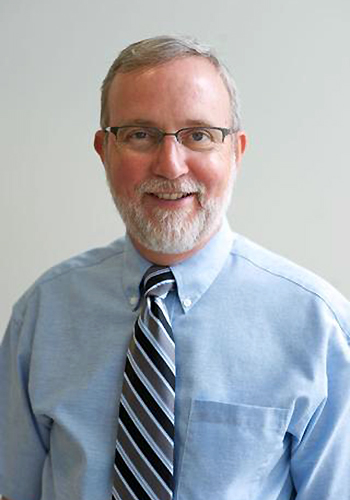
Richard E. Waugh
Professor Emeritus of Biomedical Engineering
PhD, Duke University, 1977
- Office Location
- 218 Goergen Hall
- Telephone
- (585) 275-4638
Biography
Richard Waugh is Professor Emeritus and founding chair of the Department of Biomedical Engineering at the University of Rochester. He received his BS in engineering science in 1973 from the University of Notre Dame; and his doctorate in biomedical engineering from Duke University in 1977. After a brief time as a postdoctoral fellow, he joined the faculty at Rochester as a member of the Department of Biophysics in 1980. His research interests include biomechanics of cells and cell membranes, and cell adhesion, with emphasis on underlying mechanisms of hemolytic anemia, inflammation, and microvascular perfusion. He was an active member of the Biomedical Engineering Society (BMES) having served on the Board of Directors of BMES from 10/01 –10/04, chair of the Finance Committee from 10/04 – 10/08, chair of the Executive Director Search Committee from 10/08-3/09, and president of BMES from October 2010 - 2012. He is a fellow of BMES, AIMBE, and AAAS, and is also a member of the Biophysical Society. He served on the Editorial Board of the Biophysical Journal, was formerly a member of the Scientific Advisory Committee of the Whitaker Foundation and was a member of the HM study section. He is the founding chair of the Department of Biomedical Engineering at the University of Rochester and played a pivotal role in the establishment and growth of the department and its degree programs.
In research, Dr. Waugh is a recognized leader in the study of cell and membrane mechanics and the structural basis for the mechanical behavior of cells and membranes. He has made major contributions to the understanding of membrane physical properties with an emphasis on relating changes in molecular structure and composition to their functional consequences. Much of his research centered on the red blood cell because it is an ideal model system for studying fundamental aspects of membrane behavior and because of the direct relevance red cell membrane stability has in understanding hemolytic anemia and vascular perfusion. He has also done fundamental work to characterize the basic properties of phospholipid bilayers, providing insight about the behavior of these basic structures found in all cell membranes. In addition, he was among the first to examine the mechanical properties of leukocytes and related cell types, again providing fundamental information about the relationship between the organization of cytoskeletal components and the consequent effects on rheological behavior. Most recently, he has turned his attention to leukocyte adhesion and the mechanisms that regulate the formation of adhesive contacts between cells and between cells and immobilized adhesive ligands. He was the first to quantify the interrelation of mechanical forces and the formation of adhesive contacts, and continues to explore how mechanics, surface topography, and chemical activation of cells
Research Overview
Dr. Waugh’s laboratory is closed, but he continues to collaborate with colleagues both within BME and in the Medical Center. With Jim McGrath in BME, he is helping to develop Micro-Physiological Systems (MPS) for basic research on inflammation and its effects on the blood-brain barrier. MPS also serve as a platform to provide improved predictive ability to test the safety of immuno-therapeutics. With Minsoo Kim of Microbiology and Immunology and the Wilmot Cancer Center, he is helping to develop in vitro systems for testing mechanisms of action of CAR-T cells, an important, emerging approach in the treatment of many cancers.
Research Interests
- Cell mechanics and adhesion, micro-physiological systems