
Recent News
Explore our news archive and the University of Rochester Newscenter for news from previous years. Be sure to check out our upcoming events page for what's happening next, and connect with us on your favorite social media platforms!
BME Senior Design Team Earns Second Place in 2026 DEBUT Challenge
Congratulations to the 2026 BME Senior Design team behind Novel Neonatal Respiratory Support Interface on earning Second Place and a $15,000 prize in the 2026 DEBUT Challenge!

Could FDA-evaluated tissue chips succeed where animal testing falls short?
URochester researchers hit an important FDA milestone for tissue chip technology that predicts dangerous immune reactions to cancer therapies.

Student entrepreneurs learn business by starting one
As a graduate student in biomedical engineering, Timothy Guida ’25, ’26 (MS) was not expecting to start a business. But he was eager to identify unmet clinical needs that engineering could help solve. As a master’s student with URochester’s Center for Medical Technology and Innovation (CMTI), Guida joined other students seeking experience in building prototypes of medical devices and bringing them to market.

An out-of-this-world design hits the high notes
Medicine, engineering, and pedagogy experts harmonize to help a French horn student overcome a rare throat condition

2026 BME Undergraduate Awards
BME students recognized with awards from the University of Rochester Department of Biomedical Engineering, the Hajim School of Engineering & Applied Sciences & The College.
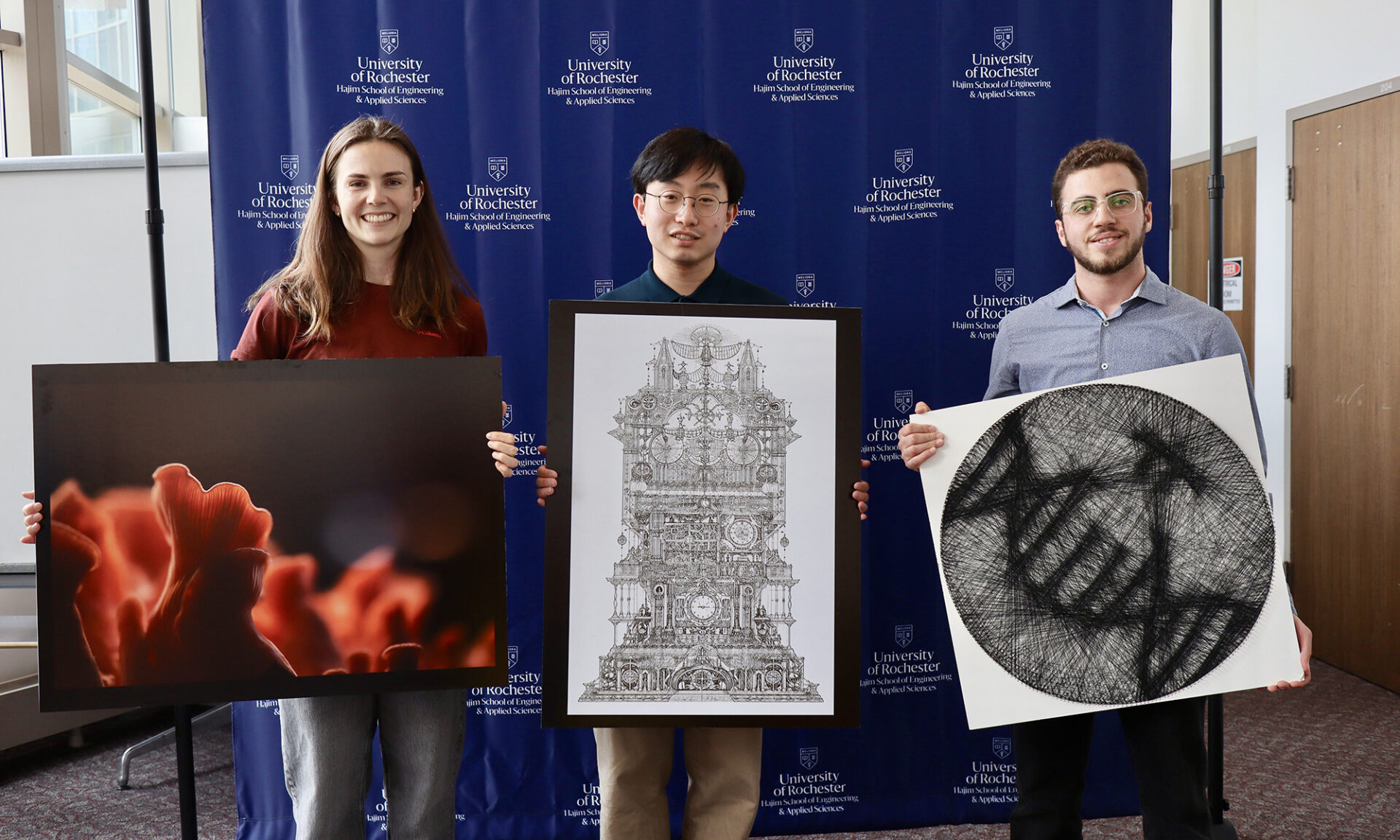
From mushrooms to molecules, science becomes art
More than 50 students, faculty, and staff submitted artwork in the 2026 Ed and Barbara Hajim Art of Science Competition. Majd Tabsi ’29, a biomedical engineering major, earned a place on the podium with Strings of Life—a creative representation of DNA and gene editing using about a mile of string.

BME students earn recognition at Rice Business Plan Competition
The Hajim School and the Ain Center for Entrepreneurship and Innovation were proud to support a team of outstanding biomedical engineers to travel to Houston to compete against more than 40 teams in the Rice Business Plan Competition. The VivoFlux team of Chloe (Kaihua) Chen (BME PhD Alumni ’25), Isabelle Linares (BME PhD Candidate ’26), and PhD student Kevin Ling (BME PhD Candidate ’26) stood out in a highly competitive field for their work, preparation, and ability to communicate their vision.
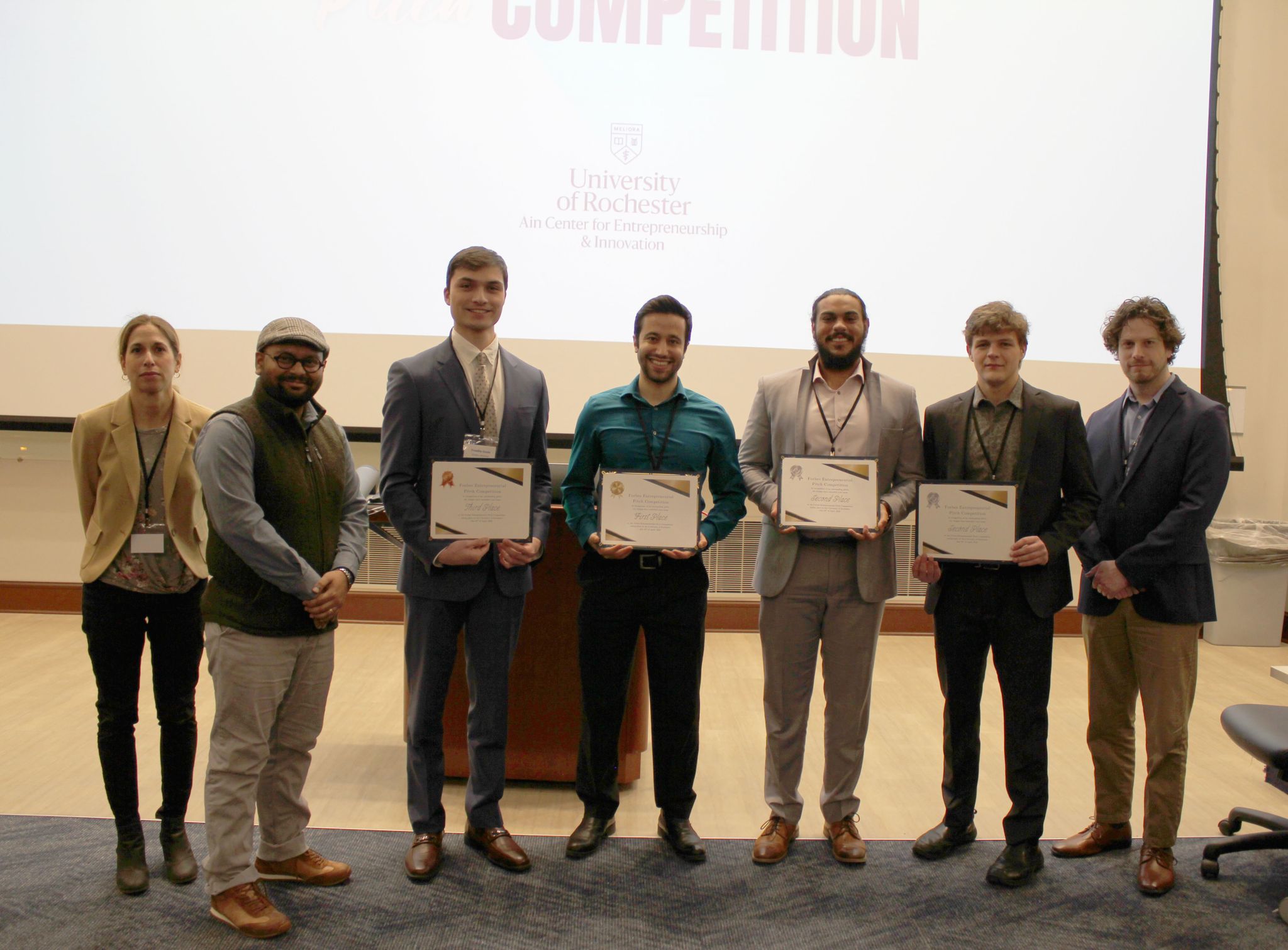
BME students win top honors at the 2026 Forbes Competition
We excited to highlight the exceptional achievements of our Biomedical Engineering (BME) students at the 2026 Charles and Janet Forbes Business Pitch Competition, hosted by the Ain Center for Entrepreneurship. This year, our BME students stood out among the competition, earning both 1st and 3rd place honors.
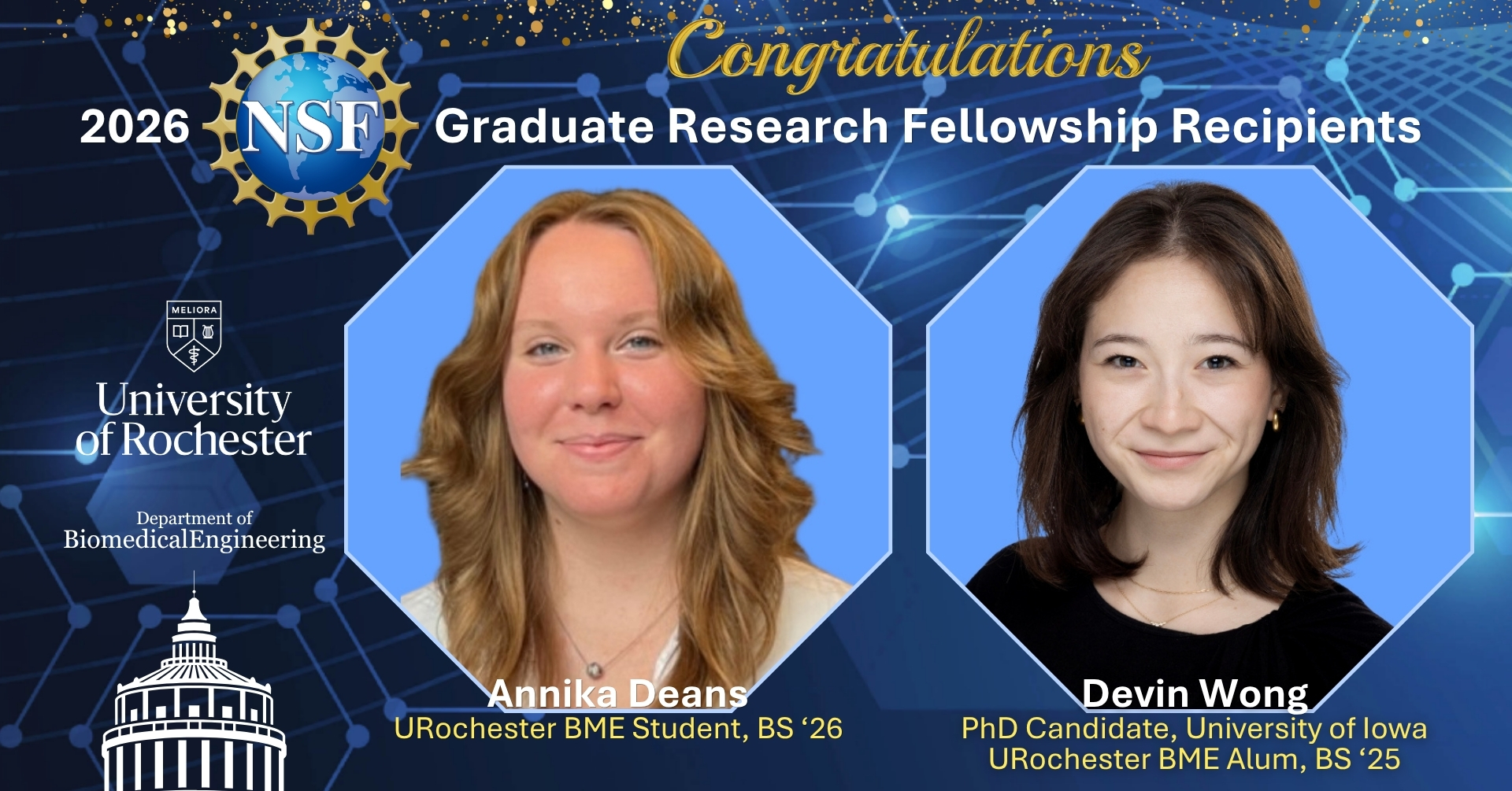
Annika Deans and Devin Wong named NSF GRFP Fellows
Annika Deans (BS BME student, ’26) and Devin Wong (BS BME alumna, ’25) have been awarded the prestigious National Science Foundation Graduate Research Fellowship (NSF GRFP).
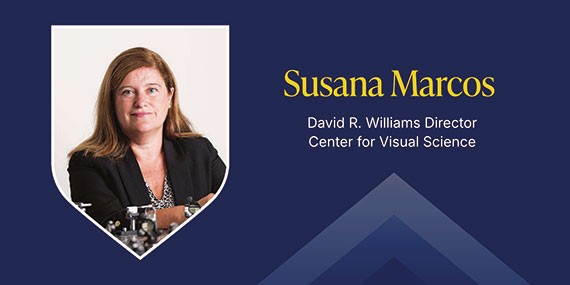
Susana Marcos receives Obstbaum Award
Congratulations to Susana Marcos, the David R. Williams Director of the Center for Visual Science, the Nicholas George Professor in Optics, and a professor of Ophthalmology and Biomedical Engineering at the University of Rochester, whose paper received the 2025 Obstbaum Award for the best original article published in the Journal of Cataract and Refractive Surgery.
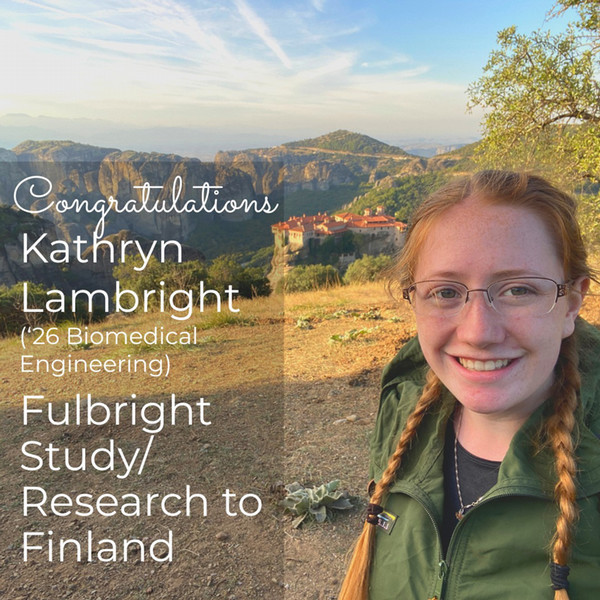
Kathryn Lambright wins Fulbright student grant
Kathryn Lambright (BME BS student, '26), was recently awarded a Fulbright-Tampere University Graduate Award. Through this opportunity, she will pursue an MSc in Biomedical Science and Engineering at Tampere University, where she plans to specialize in biomedical instrumentation and medical physics.
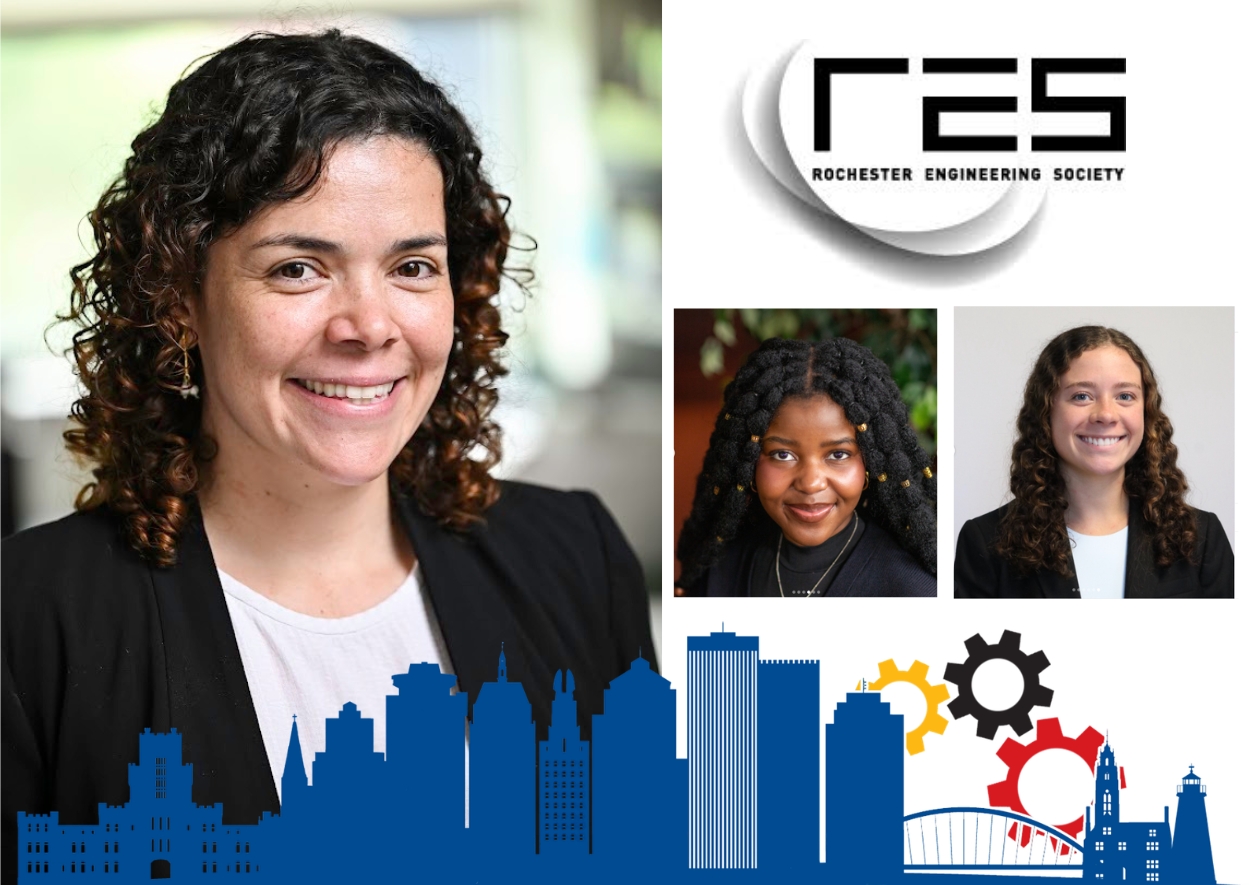
Marisol Herrera-Perez and BME students receive recognition from RES
Marisol Herrera-Perez, Assistant Professor of Biomedical Engineering, has been named a finalist for the Rochester Engineering Society (RES) Young Engineer of the Year award. In addition, two BME students - Samantha Tapuwa Magowo (BME ’27) and Natalie Maye (BME ’27) - have earned RES scholarships.
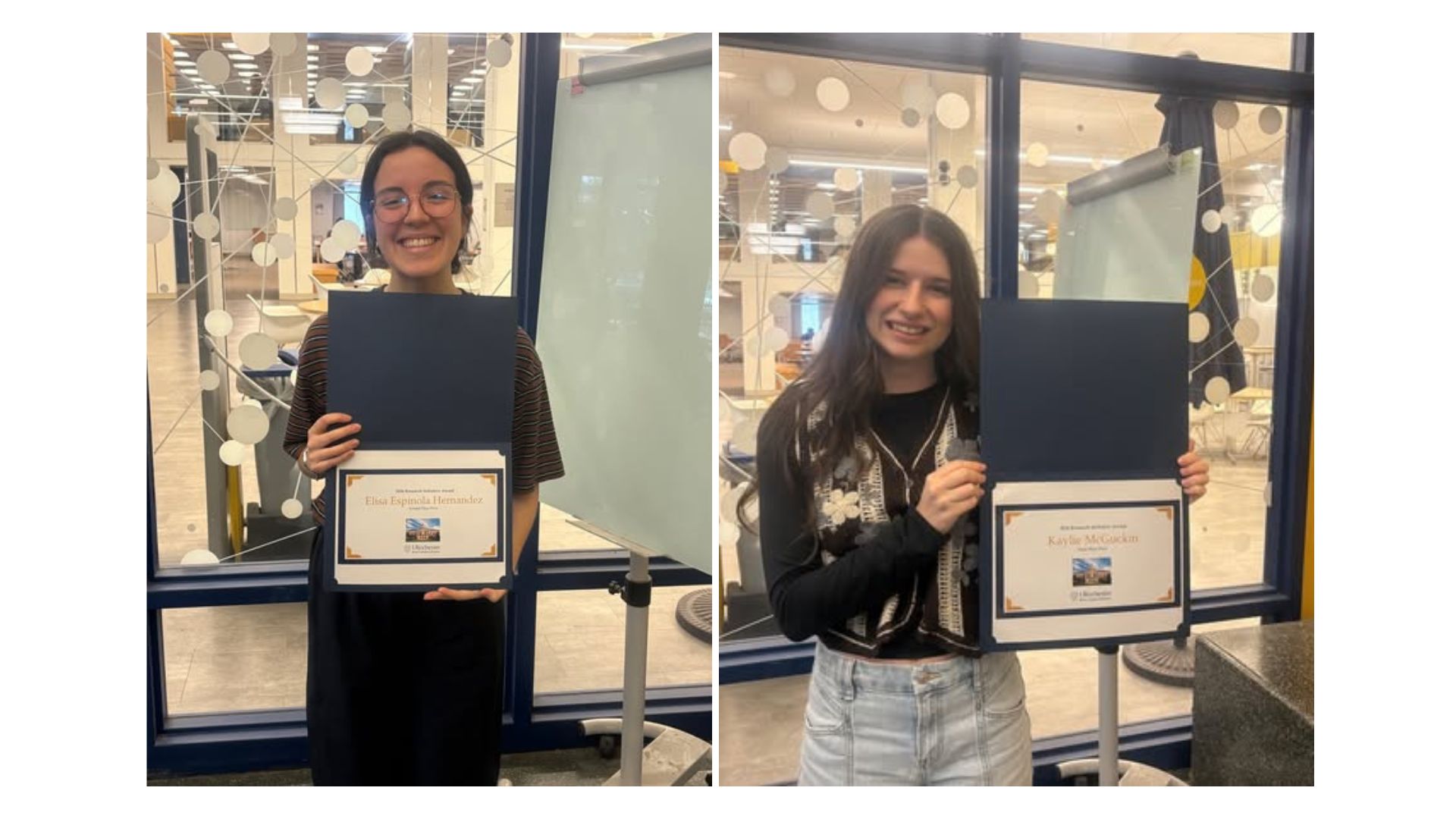
Two BME Students Win Undergraduate Research Initiative Award
Congratulations to two outstanding biomedical engineering students who have been recognized with the prestigious Undergraduate Research Initiative Award from River Campus Libraries. This annual award honors exceptional promise and achievement in the early stages of undergraduate research. Recipients are selected based on their ability to thoughtfully initiate, develop, and organize a research project that lays the foundation for a senior thesis, capstone experience, or independent scholarly endeavor.
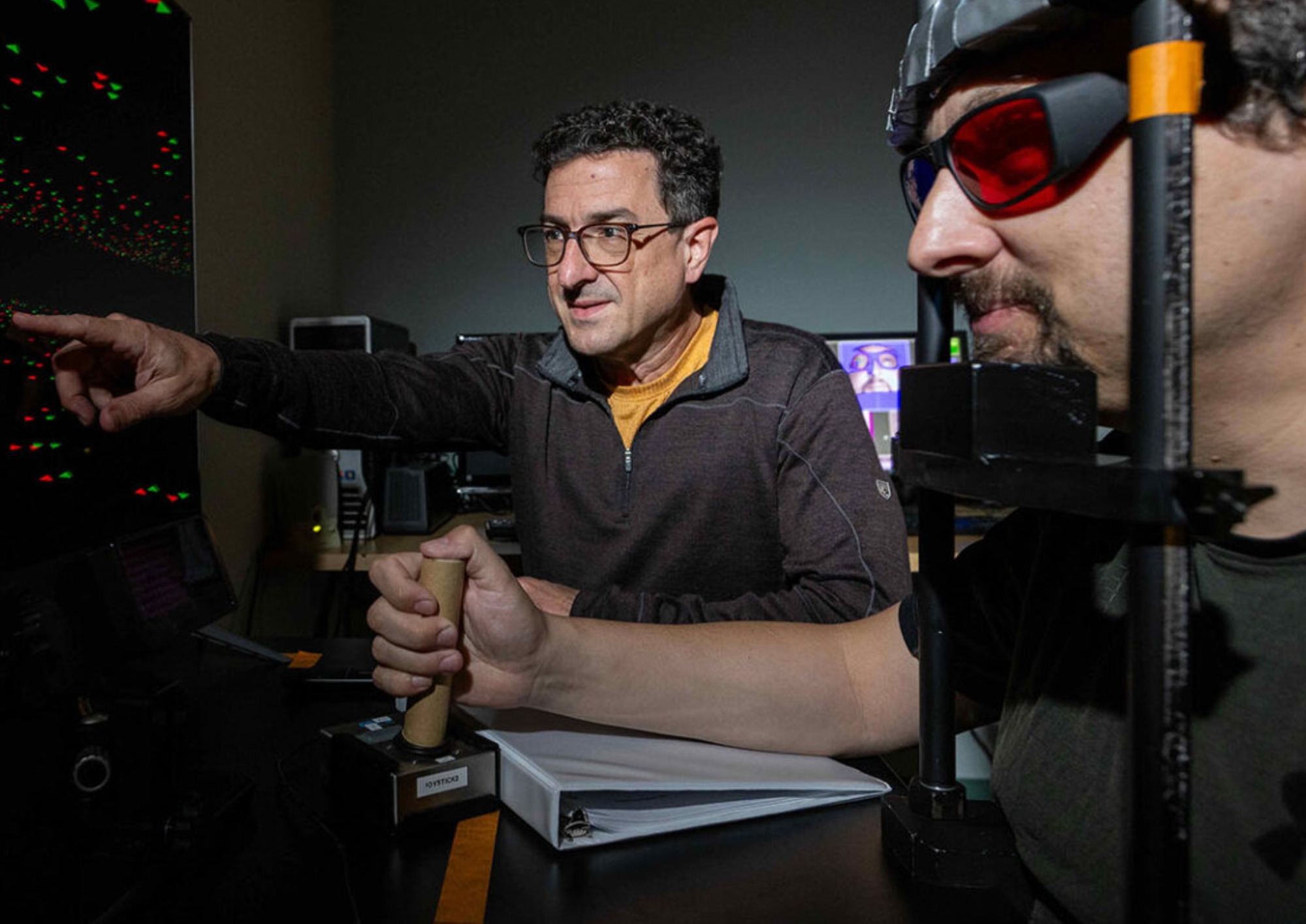
The brain uses eye movements to see in 3D
“The conventional idea has been that the brain needs to somehow discount, or subtract off, the image motion that is produced by eye movements, as this motion has been thought to be a nuisance,” says Greg DeAngelis, George Eastman Professor; professor in the Departments of Brain and Cognitive Sciences, Neuroscience, and Biomedical Engineering and the Center for Visual Science; member of the Del Monte Institute for Neuroscience; and lead author of the new research, published in Nature Communications.
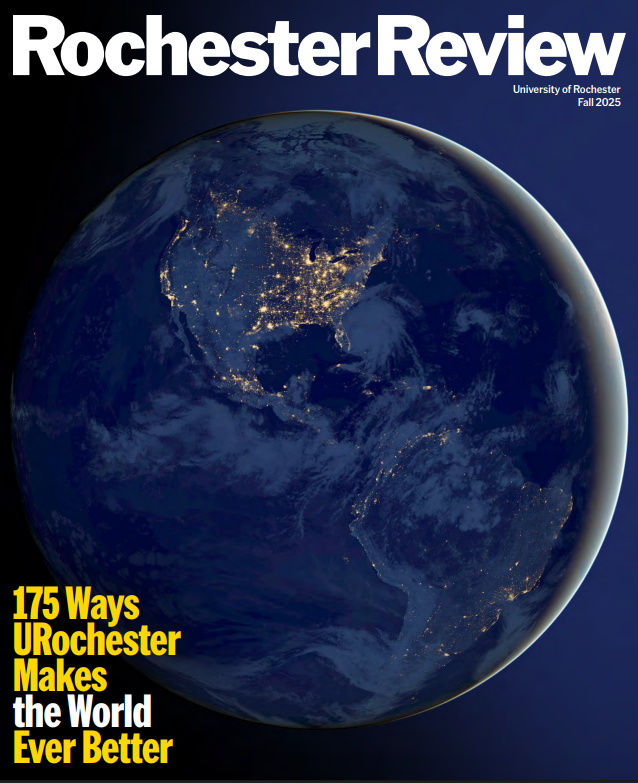
The Rochester Review – Fall 2025
The Fall 2025 edition of The Rochester Review marks 175 years of University of Rochester innovation, highlighting pioneering research that continues to shape the future of science and medicine—including groundbreaking work from biomedical engineer James McGrath and colleagues.

Kevin Parker, a pioneer in ultrasound imaging, remembered
The William F. May Professor of Engineering and Dean Emeritus of Engineering and Applied Sciences leaves a legacy of innovation and inspiration.

BME 101 Poster Session Showcases Student Innovation
On Friday, December 5, 2025, the Department of Biomedical Engineering hosted its annual BME 101 Poster Session, spotlighting the creative research projects of students enrolled in Professor Edward Brown’s course, BME 101: Introduction to Biomedical Engineering.

Kyra McCracken ’26 Receives Robert L. Wells Prize
“After intending to be an applied mathematics major, I realized that I wanted to incorporate my interest into science and engineering,” says McCracken. “In my future career in biomedical engineering, I want to help make medical devices more accessible.”

Tau Beta Phi Engineering Honor Society 2025
URochester’s chapter of the Tau Beta Pi Engineering Honor Society recently initiated 31 new members. Throughout the academic year, our chapter hosts a variety of activities including community service, social events, corporate information sessions, and study sessions to help other engineering students succeed.

Uncovering how cells build tissues and organs
Assistant Professor Marisol Herrera-Perez received a $2 million NIH MIRA grant to investigate the mechanical signals that guide how a single cell becomes a complex organism.

BME Team VivoFlux takes 2nd Place in Mark Ain Business Model Competition
We are excited to highlight the exceptional achievements of our Biomedical Engineering (BME) students at the 2025 Mark Ain Business Model Competition, hosted by the Ain Center for Entrepreneurship.
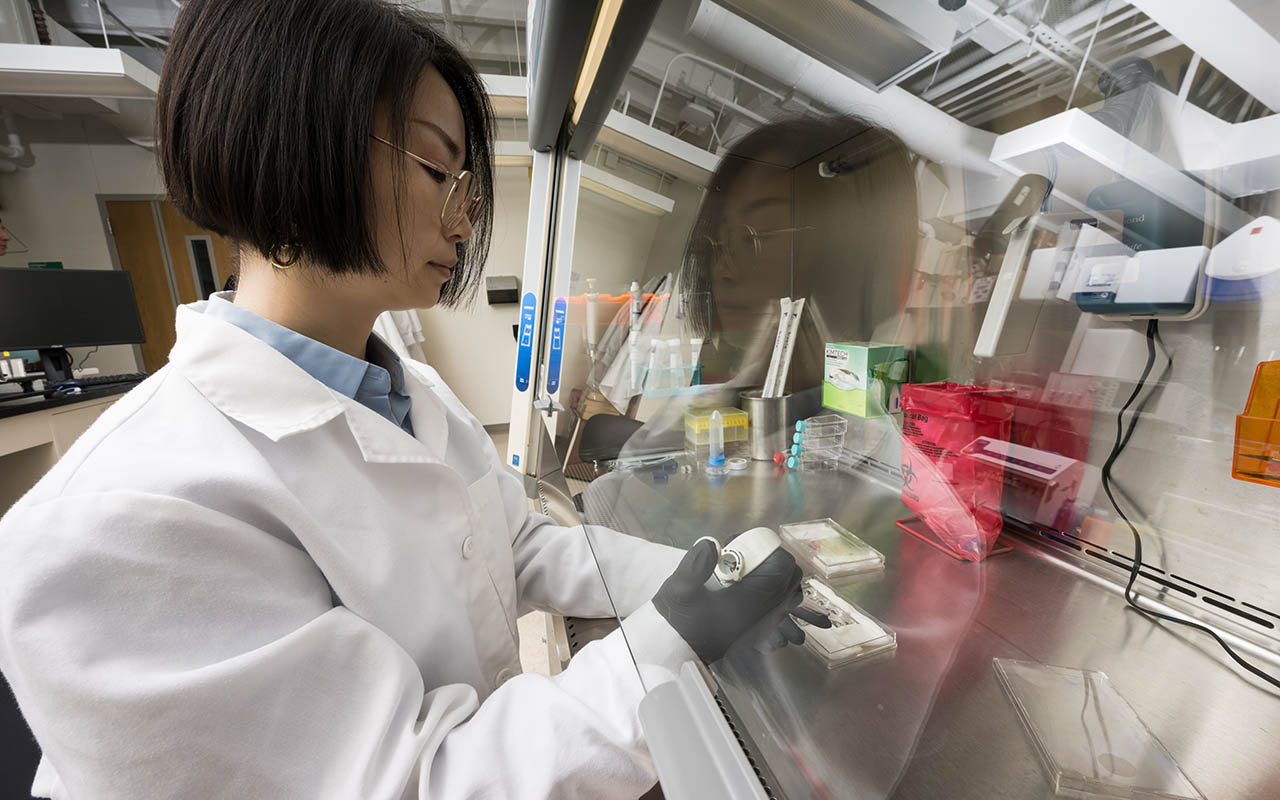
Brain-on-a-chip technology reveals how sepsis and neurodegenerative diseases damage the brain
The cutting-edge tool demonstrates how the blood-brain barrier breaks down and how healthy brains keep it strong.
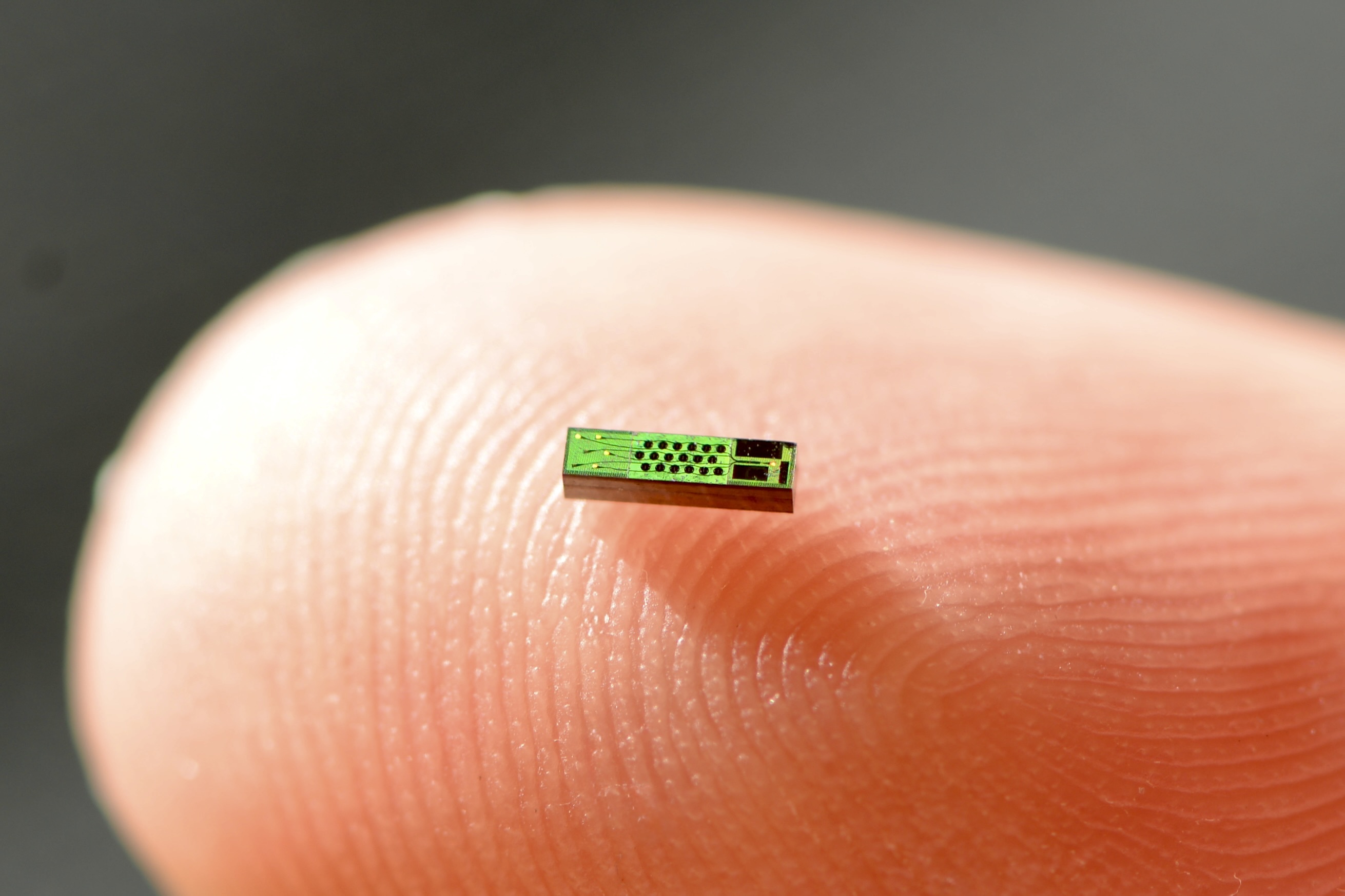
Phlotonics awarded $1.1M AIM Photonics contract to launch BioproSense
Real-time photonic bioprocess monitoring for regenerative biomanufacturing