
External Advisory Committee
The External Advisory Committee (EAC) of the Goergen Institute for Data Science and Artificial Intelligence is composed of leading experts from industry and academia who possess a wealth of experience in data science and related fields. Members of the committee gather semi-annually to review the state of the Institute, advise the Director on strategic directions and initiatives, and discuss opportunities and challenges in data science that they envision. The EAC provides guidance on all aspects of the mission of the Institute, including research, learning, economic impact, and community outreach. To view previous EAC members, visit the past EAC members web page.
Current EAC Members
Nomi Bergman '85

Nomi is a President, board director, investor, and advisor with more than 30 years of experience leading companies across communications, technology, data, and infrastructure.
Currently, Nomi serves as President of the Advance/Newhouse Investment Partnership, where she focuses on corporate development, strategic partnerships, and investments across a portfolio of technology, media, communications, and data-driven businesses. Previously, as President and one of the founding executives of Bright House Networks, she helped build the company into the sixth-largest cable operator in the United States, serving 2.5 million customers, employing more than 8,500 people, and generating over $4 billion in annual revenue. She also served as CEO of 1010data, Advance's data analytics platform serving leading retailers and consumer-facing enterprises.
Nomi has extensive public, private, and nonprofit board experience spanning technology, infrastructure, healthcare, aerospace, communications, and education. She currently serves on the boards of Black & Veatch and Crouse Health and has held leadership and trustee roles with Syracuse University, the University of Rochester, Adaptive Spirit, Bridging Voice, One Revolution, and The Cable Center. Previously, she served on the boards of Comcast Corporation, HawkEye 360, Astra, and Visteon Corporation, contributing across audit, governance, technology, compensation, and strategic oversight committees. She is also a longtime member of the FCC Technological Advisory Council.
Outside of her professional activities, Nomi is an avid outdoor enthusiast, 70.3 Ironman triathlete, and lifelong athlete. She has summited most of the Adirondack High Peaks, Mount Kilimanjaro, and numerous other challenging climbs. She and her husband Neal are proud parents of three daughters and recently welcomed their first grandchild.
David L. Ennist '78, PhD, MBA
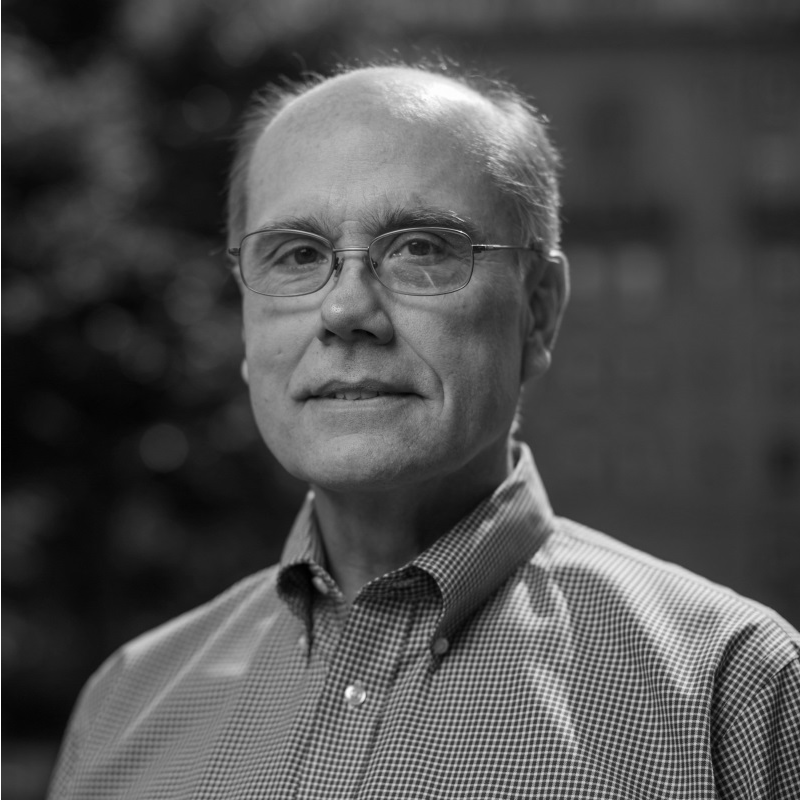
David L. Ennist '78, PhD, MBA is a biomedical scientist and business leader with broad experience in the biotech and pharma industry. He is currently the CSO at Origent Data Sciences, Inc. Prior to that he was Scientific Expert and Program Team Head for Novartis and Genetic Therapy, Inc., and Principal at DLE Consulting, where he consulted on drug development products from preclinical through phase 4 stages. He has published over 25 scientific articles in journals including Blood, PNAS, Journal of Immunology and Clinical Cancer Research. His expertise encompasses drug development, molecular biology, immunology, oncology, gene therapy, data analytics and research management. Dr. Ennist holds a BA in biochemistry from the University of Rochester.
Bob Fiete
Dr. Bob Fiete is Chief Technologist and Senior Fellow at L3Harris with over 40 years of experience in imaging science. Previously he was manager of the Imaging Systems Analysis group in Kodak’s Government Systems organization where he pioneered the image chain modeling approach to create digital twins for designing and assessing imaging systems before becoming Director of R&D for ITT (later Exelis) Space Systems Division. He was an adjunct professor at the Center for Imaging Science at RIT, chaired conferences and seminars on imaging and optics, briefed the National Security staff at the White House Situation Room, generated satellite image simulations for President Obama, briefed the House and Senate Intelligence Committees in congressional hearings, and worked with the FBI and DOJ investigating criminal cases involving image exploitation. Dr. Fiete has authored three books, five book chapters, and over forty technical papers. He was the inaugural editor of the SPIE Spotlights book series and has received twelve patents, including one for a method used to focus many of the current imaging satellites and another for an image enhancement method used on the Harry Potter movies. He received his BS degree in Physics and Math from Iowa State University and his MS and PhD in Optical Sciences from the University of Arizona. Dr. Fiete was awarded the Rudolf Kingslake Medal by SPIE, is a Senior Member of OSA and SPIE, and is a Fellow of SPIE.
Adam Fyles
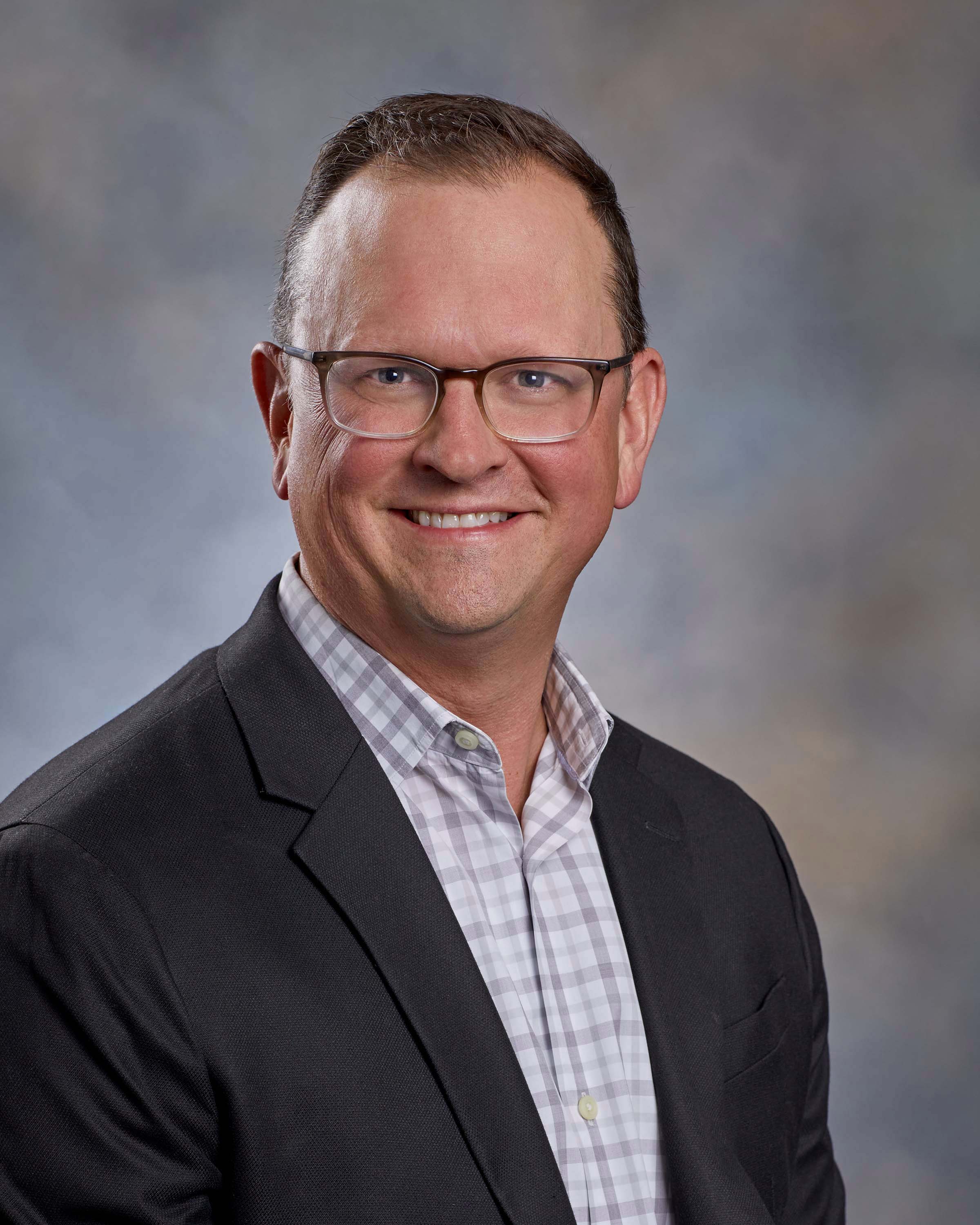
Adam Fyles is Vice President of Simplified Data and AI Architecture at Wegmans Food Markets, where he leads enterprise data modernization and AI strategy. With 20+ years at Wegmans and 25 years in the industry, he has driven the shift to cloud‑native analytics and built quality‑first data platforms on Databricks that deliver timely, trustworthy insights across retail operations. He brings a practitioner’s perspective on the skills, governance, and real‑world applications needed to scale data and AI for business impact.
Dan Gallagher '84 MBA

Dan Gallagher '84 MBA is President and CEO of Soleo Communications. Soleo is a performance media company headquartered in Rochester, NY. Soleo’s mission is to make useful connections for people. The company uses data science and artificial intelligence to understand the needs of consumers to help them navigate challenging buying decisions. Dan earned an MBA at the Simon School of Business.
Luke Guerrero '05
Luke Guerrero '05 is the chief operating officer at QbDVision, a company committed to helping pharma and biotech companies efficiently deliver the next generation of therapies. Prior to QbDVision, he was SVP of Technology at Brand Networks, where he developed and grew key practices including media and professional services, project management, analytics, and engineering. Luke previously spent six years at PricewaterhouseCoopers in the company’s CIO Advisory consulting unit, deploying technology and business strategies within the financial services industry across both North America and Asia. He holds a Bachelor of Science in Computer Science from the University of Rochester.
Walter Johnson

Dr. Johnson is the Chairman of the Board at FLX AI and former CEO. He previously served as Executive Director at the University of Rochester’s Rochester Data Science Consortium. Prior to his time at the Consortium he served as Vice President of the Palo Alto Research Center (Xerox PARC), managing their Intelligent Systems Laboratory in Palo Alto until 2014 at which time he moved to Rochester to integrate Xerox’s Webster Research Center into PARC. Before that, Dr. Johnson served as Senior Vice President of Operations at SkyGrid, Inc., a real-time financial news analytics startup, as well as the Vice President of Strategy and Business Development at Uppercase, Inc., a tablet PC startup acquired by Microsoft in a $45M transaction. He is a former scientist in PARC’s groundbreaking Human-Computer Interaction group, where he specialized in intelligent interfaces for mobile and ubiquitous computing applications. His work on an embedded document application environment for multifunction devices led to the creation of a special enterprise-level division of Xerox, for which he received the Xerox President’s Award and the PARC Excellence in Science and Technology award. He also served as the Vice President of Strategic Operations at 12 Entrepreneuring, a business incubator in San Francisco. He holds 15 United States patents. Dr. Johnson obtained his Ph.D. in Cognitive Psychology from the University of Pittsburgh, and B.A. and MA. degrees at the University of Arizona.
Henry Kautz
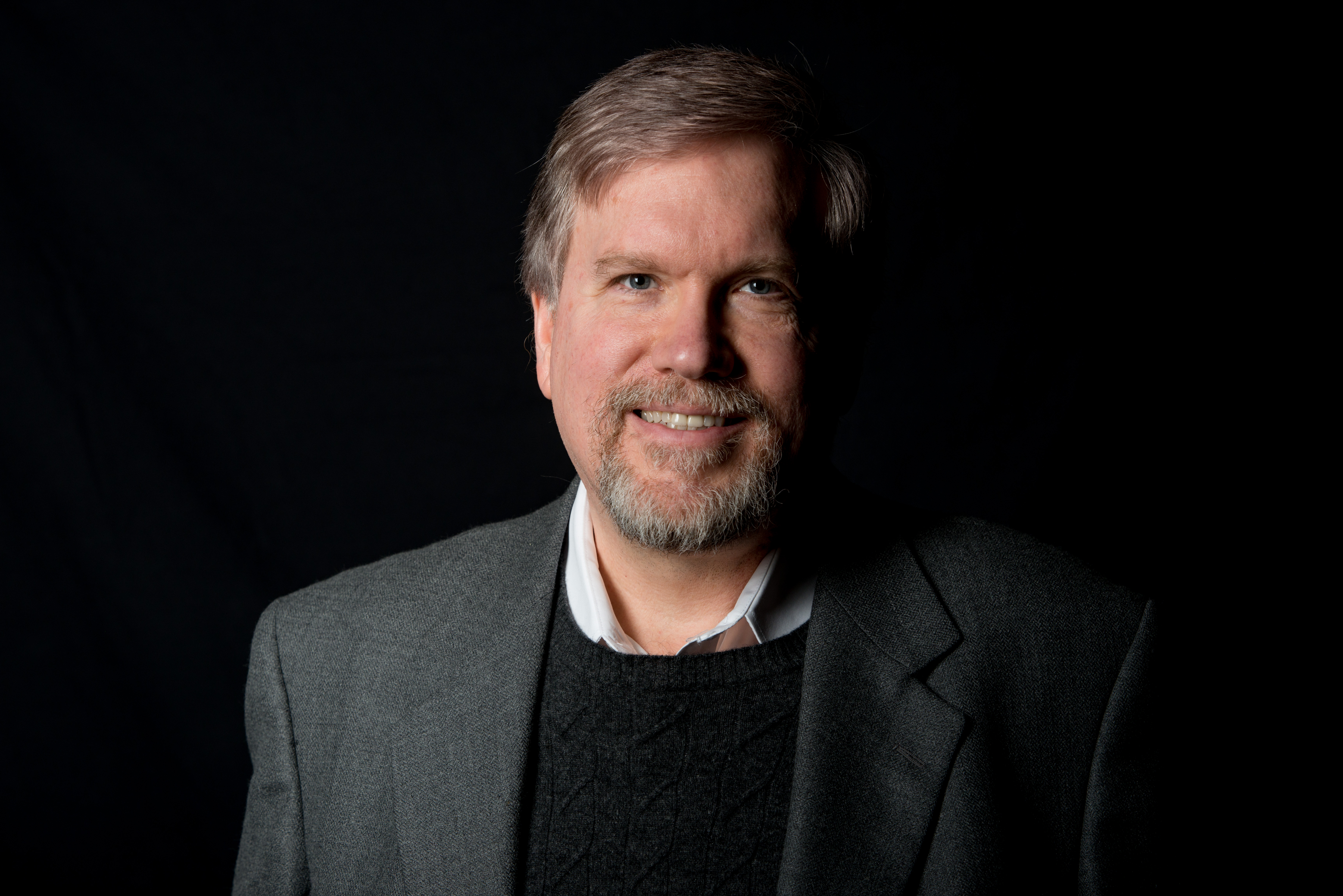
Henry Kautz is a Professor of Computer Science and Co-Director of AI Research at the University of Virginia. From 2018 to 2022 he served as Division Director for Information & Intelligent Systems (IIS) at the National Science Foundation, where he led the National AI Research Institutes program. He was a Professor in the Department of Computer Science and was the founding director of the Goergen Institute for Data Science at the University of Rochester. He has been a researcher at AT&T Bell Labs in Murray Hill, NJ, and a full professor at the University of Washington, Seattle. In 2010, he was elected President of the Association for Advancement of Artificial Intelligence (AAAI), and in 2016 was elected Chair of the American Association for the Advancement of Science (AAAS) Section on Information, Computing, and Communication. His interdisciplinary research includes practical algorithms for solving worst-case intractable problems in logical and probabilistic reasoning; automated planning; models for inferring human behavior from sensor data; pervasive healthcare applications of AI; and social media analytics. In 1989 he received the IJCAI Computers & Thought Award, which recognizes outstanding young scientists in artificial intelligence, and 30 years later received the 2018 ACM-AAAI Allen Newell Award for career contributions that have breadth within computer science and that bridge computer science and other disciplines. At the 2020 AAAI Conference he received both the Distinguished Service Award and the Robert S. Engelmore Memorial Lecture Award. In 2022 he received the Most Impactful Paper Award from the ACM Intelligent User Interfaces Conference.
Diane Litman '86 PhD

Diane Litman ’86 PhD is a Professor of Computer Science, Senior Scientist with the Learning Research and Development Center, Associate Dean for Mentoring and Development in the School of Computing and Information, and Past (Co-)Director of the Graduate Program in Intelligent Systems, all at the University of Pittsburgh. Her research spans multiple areas of Artificial Intelligence, with a current focus on enhancing the effectiveness of educational technology through the use of spoken and natural language processing techniques. She is a Fellow of the Association for Computational Linguistics and was twice elected Chair of the North American Chapter of the Association for Computational Linguistics.
Lloyd Palum '87

Lloyd Palum '87 is Chief Technology Officer for GenAI Applications at Tenstreet, where he leads the development of a comprehensive generative AI product portfolio transforming transportation workflows through intelligent automation. Since joining the company in 2013 (originally Vnomics, acquired by Tenstreet), he has evolved from leading traditional ML-powered fuel optimization systems to pioneering the application of generative AI and agentic systems in the trucking industry.
His teams have delivered AI solutions that eliminate manual document processing, automate business rule orchestration, and provide 24/7 conversational support for drivers and fleet operators through RAG-powered chatbots and real-time voice agents.
As an adjunct professor at the University of Rochester's Goergen Institute for Data Science and Artificial Intelligence since 2021, Lloyd teaches graduate-level courses on cloud-scale data systems and mentors students on real-world analytics projects, bridging cutting-edge AI research with practical applications.
Lloyd's prior experience includes over 25 years in commercial and government electronics, leading secure mobile wireless system design and standards-based embedded software systems. He was previously Director of Digital Signal Processing Systems application development at a startup focused on configurable DSP systems.
Lloyd holds a Master of Science in Electrical Engineering from Boston University and a Bachelor of Science in Electrical Engineering from the University of Rochester. He holds five patents in software and wireless communications and speaks frequently at industry conferences on AI applications in transportation.
Peter Pirolli

Peter Pirolli joined the Florida Institute for Human and Machine Cognition (IHMC) as Senior Research Scientist in 2017. Previously he was a Research Fellow in the Interactive Intelligence Area at the Palo Alto Research Center (PARC), where he studied human information interaction. Before joining PARC, he was a Professor in the School of Education at UC Berkeley. Peter received his doctorate in cognitive psychology from Carnegie Mellon University in 1985. He received a BS in psychology and anthropology from Trent University. He has been elected as a Fellow of the American Association for the Advancement of Science, the American Psychological Association, the Association for Psychological Science, the National Academy of Education, and the ACM Computer-Human Interaction Academy. Peter is the author of “Information Foraging Theory: Adaptive Interaction with Information.” Peter is currently an Associate Editor for Human Computer Interaction.
Rick Rashid '77 MS, '80 PhD

Dr. Richard (Rick) Rashid '77 MS, '80 PhD founded Microsoft Research in 1991, and between 1991 and 2013, he oversaw the worldwide operations for Microsoft Research, an organization that grew to encompass more than 850 researchers across nearly a dozen labs worldwide. Under Rashid’s leadership, Microsoft Research conducted both basic and applied research across disciplines that include algorithms and theory; human-computer interaction; machine learning; multimedia and graphics; search; security; social computing; and systems, architecture, mobility and networking. His teams collaborated with the world’s foremost researchers in academia, industry, and government on initiatives that expanded the state of the art across the breadth of computing and helped ensure the future of Microsoft’s products. During his time at Microsoft, Dr. Rashid has held the positions of director, vice president, senior vice president and chief research officer.
Before joining Microsoft, Rashid was professor of computer science at Carnegie Mellon University (CMU). As a faculty member, he directed the design and implementation of several influential network operating systems and published extensively about computer vision, operating systems, network protocols and communications security. During his tenure, Rashid developed the Mach multiprocessor operating system, which has been influential in the design of modern operating systems and remains at the core of several commercial systems.
Rashid’s research interests have focused on artificial intelligence, operating systems, networking and multiprocessors. He has participated in the design and implementation of the University of Rochester’s Rochester Intelligent Gateway operating system, the Rochester Virtual Terminal Management System, the CMU Distributed Sensor Network Test bed, and CMU’s SPICE distributed personal computing environment. He also co-developed of one of the earliest networked computer games, Alto Trek, during the mid-1970s.
Rashid received master of science (1977) and doctoral (1980) degrees in computer science from the University of Rochester. He graduated with honors in mathematics and comparative literature from Stanford University in 1974.
Danny Sabbah '74, '78 MS, '82 PhD

Danny Sabbah '74, '78 MS, '82 PhD is currently retired from IBM. He has over 40 years experience as a software professional with experience in software management, research and software development. His last assignment was to shepherd the evolution of IBM’s Cloud business as it’s CTO and chief product strategist. He and his team created the PaaS solution that IBM currently sells (Bluemix) on it’s core IaaS offering. Prior to his CTO role, he was General Manager for two of IBM’s multibillion dollar software businesses. He was a founder of IBM’s open source policy and had a leading hand in such projects as Eclipse, Web Services, and CloudFoudry. As a researcher in IBM's Research division in the late 80’s and early 90’s, he did work in AI and was the first ever Director of Software Technology there. His own research work was in the early days of so called “connectionism”, a precursor to today’s deep learning. He has a PhD in Computer Science from the University of Rochester and a business degree from the Wharton School of management at U of Penn.
Bart Selman
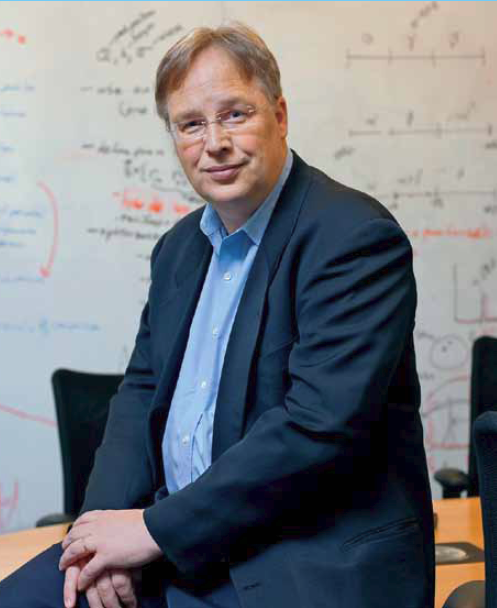
Bart Selman is a professor of computer science at Cornell University. He has (co-)authored over 100 publications, including six best paper awards. His papers have appeared in Nature, Science, the Proceedings of the National Academy of Sciences and a variety of conferences and journals.
Walter Sun

Walter obtained his PhD from the Massachusetts Institute of Technology (MIT) in statistical signal and image processing, and computer vision with applications in medical imaging. He currently is a Senior VP and the Global Head of AI at SAP, leading the product engineering work for the company's AI initiatives which span across a broad set of business applications. Previously, Walter spent the last 18 years working at Microsoft, leading global technology teams including being the Vice President of Copilot Applied AI for their business applications. In this capacity, Walter led an interdisciplinary team in developing business-ready AI and machine learning capabilities, shipping many AI features across Microsoft’s portfolio over the years, including applications like Bing Search, Windows, Dynamics 365, and Power Platform. In addition, he founded Bing Predicts which leveraged anonymized and aggregated data to do predictive analytics which were applied both to consumer and business outcomes. Previously, he worked at Blackrock Financial Management as a quantitative portfolio analyst, and at Apple Inc. as a senior codec engineer and scientist. Beyond his work at SAP, Walter currently serves on the ECE Advisory Board at Georgia Tech and is a member of the MIT Technology Review Global Insights Panel.
Kush R. Varshney
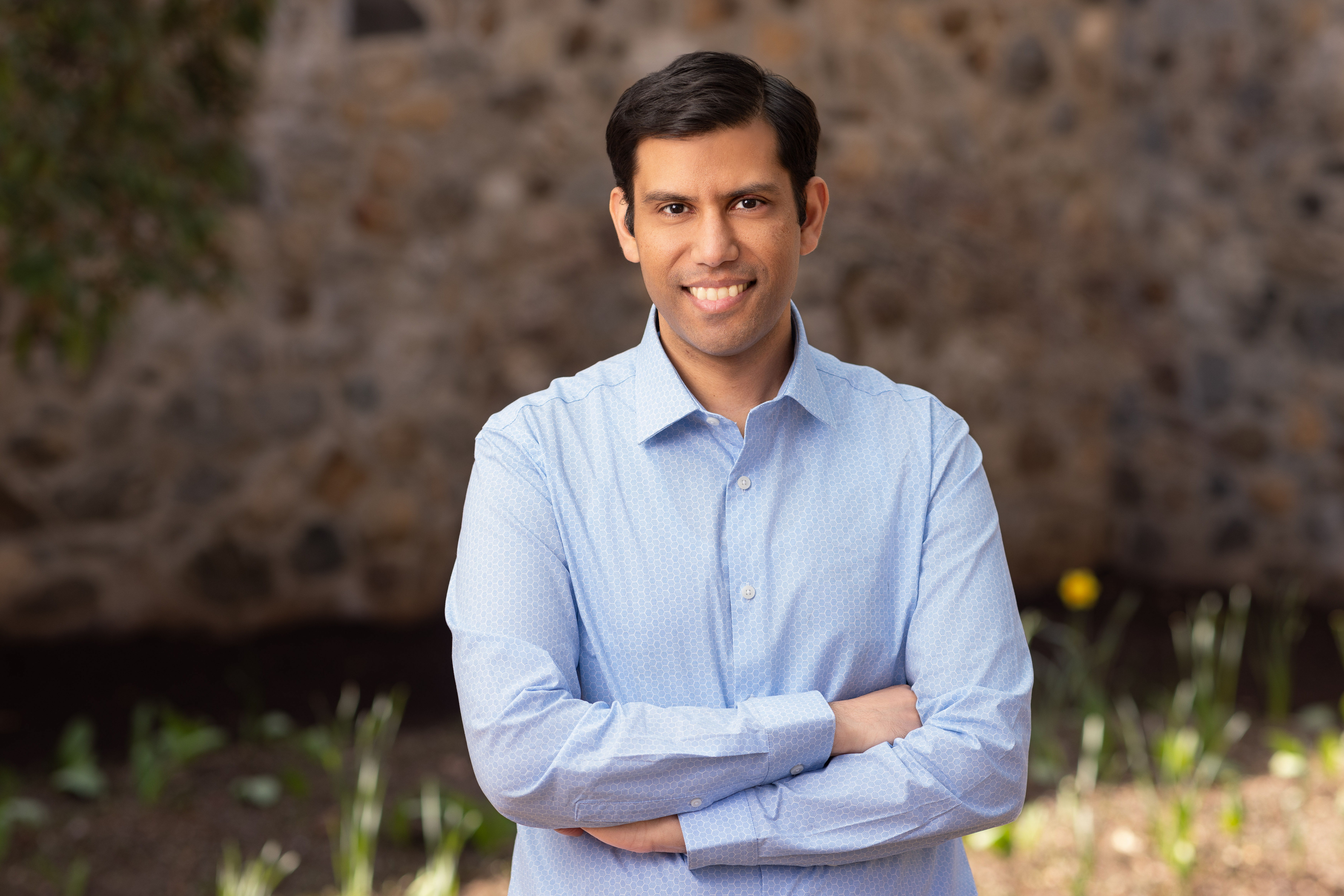
Kush R. Varshney is an IBM Fellow based at IBM Research's T. J. Watson Research Center in Yorktown Heights, NY, where he leads the AI Foundations Provocative Prototype Factory and is responsible for innovations in AI governance. He completed a PhD in electrical engineering and computer science from the Massachusetts Institute of Technology in 2010. He and his team created the open-source tools AI Fairness 360, AI Explainability 360, AI Factsheets 360, Uncertainty Quantification 360, and Granite Guardian. He co-founded and co-directed the IBM Science for Social Good initiative from 2015-2023. He independently published the book Trustworthy Machine Learning in 2022, which is available at no cost www.trustworthymachinelearning.com.
Talitha Washington
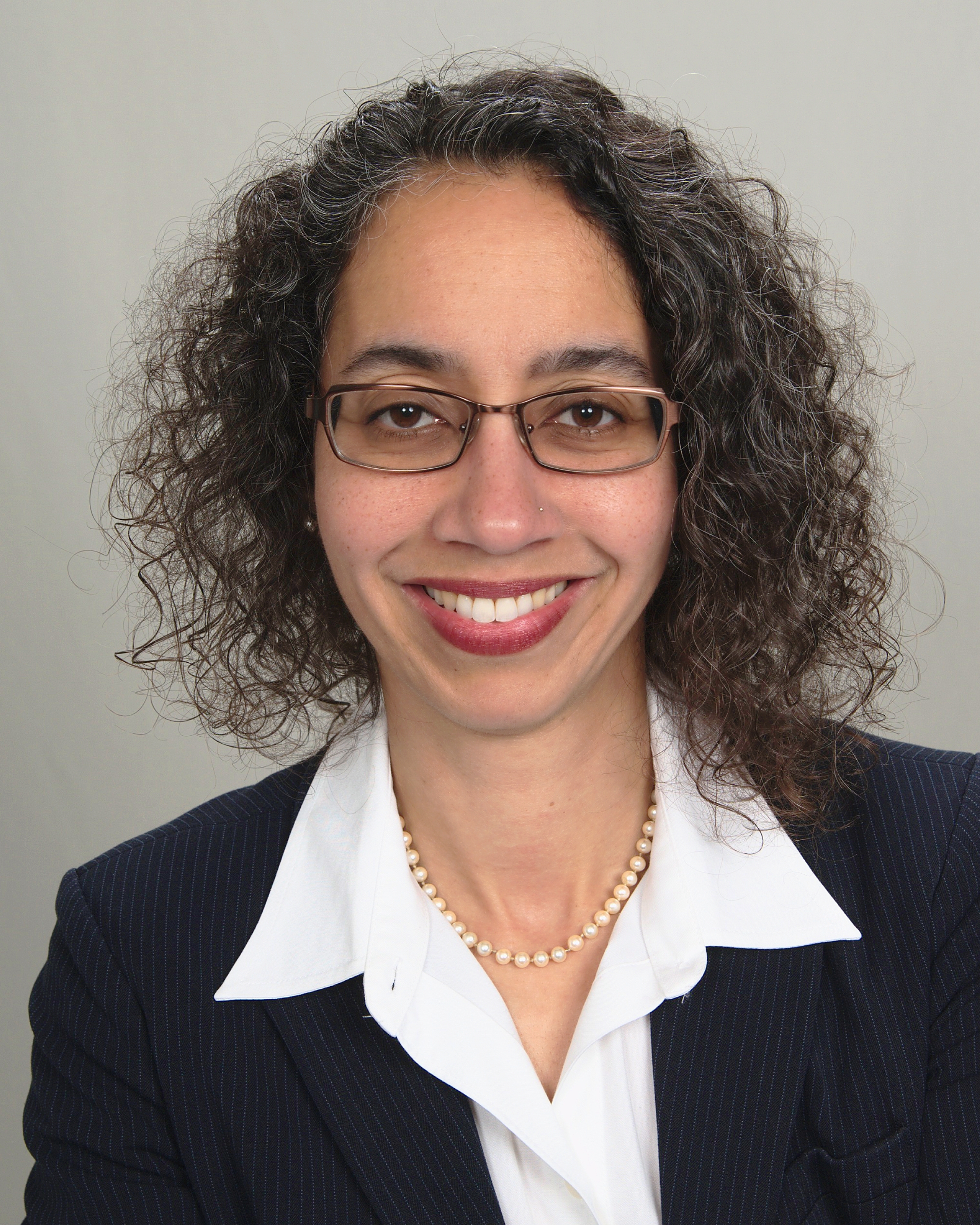
Talitha Washington, Ph.D., serves as the Executive Director of the Center for Applied Data Science & Analytics (CADSA) at Howard University. She holds the Sean McCleese Endowed Chair, is a Professor of Mathematics, and co-chair of the President’s AI Advisory Council. Washington is a former Program Director at the U.S. National Science Foundation (NSF) and a past president of the Association for Women of Mathematics (AWM). She is a Fellow of the American Mathematical Society, the AWM, and the American Association for the Advancement of Science (AAAS).